

Inbound Logo
Web Development
Resources
Free audit
Free HubSpot Portal Audit
Get an instant audit of your HubSpot portal with actionable insights to improve CRM setup, automation, marketing, and overall performance.
Start Free Audit
button arrowbutton arrow
AI Automation

AI Automation Agency: How to Choose the Right Partner in 2026

time
12 MIN
date
May 1, 2026
AI Automation Agency: How to Choose the Right Partner in 2026
In this article

AI automation agencies exploded from zero to 500+ in 18 months. That's great for choice. It's terrible for vetting. Most teams claiming "AI automation expertise" in 2026 learned Zapier + ChatGPT three months ago.This guide covers how to distinguish production-capable AI automation agencies from trend riders. Red flags. Vetting questions. Engagement structures that protect you. How to evaluate ROI claims.

Why AI Automation Agencies Are Hard to Vet

The field is too new to have clear status signals. No Platinum tiers like HubSpot. No long-term case studies with multi-year ROI. Agencies can claim expertise with minimal proof.Worse: most AI automation "agencies" are freelancers with a Twitter presence. Nothing wrong with that individually, but they lack the bench, accountability, and scalability a serious org needs.

Red Flags That Expose Weak AI Automation Partners

  • Portfolio is all pitch decks and prompts, no deployed workflows. If they're not sharing actual production workflows, they haven't built any.
  • "We use ChatGPT for everything" mentality. Frontend LLM clients are not production-grade. n8n, Zapier, or hosted solutions are the baseline for reliability.
  • No data governance or security discussion. If they don't bring up compliance, DPA coverage, and data isolation, they don't understand production requirements.
  • Quoting ROI without baseline data. "Save 10 hours per week" without knowing current process = fantasy. ROI claims should be grounded in audit data.
  • No mention of error handling or observability. "Build the workflow then monitor" is insufficient. Production workflows need logging, alerts, and fallback paths.
  • "We can automate anything" mentality. False. Some workflows are not automation-ready. Good agencies know the boundary and explain it.
  • One-person operation claiming 24/7 support. They're not. Scaling risk is high.

Questions That Separate Real From Pretend

"Walk us through a production workflow you built that had to handle errors, logging, and scale. How did you architect it?" — Production discipline surfaces here. Weak agencies get vague. Strong ones have real details."Tell us about a workflow that failed in production. What went wrong? How did you debug it?" — Honest answer = experience. "Never happened" = red flag."What's your security and data handling approach for automations that touch PII or customer data?" — This question filters heavily. Most agencies won't have a clear answer. Those that do are veteran-level."Show us an automation you built that demonstrably ROI'd. What was the baseline? What was the outcome? How long to payback?" — Real numbers, not projections."What tools do you use? n8n? Zapier? Custom code? Why?" — Prescriptive answer (they chose the tool for a reason) is better than flexible answer (they use whatever)."What happens to the workflow if your company goes under or we need to switch vendors?" — Vendor lock-in concerns separate careful buyers from naive ones. Good agencies have portability plans.

Engagement Structures and Pricing Reality

Typical AI automation pricing:

  • Audit (4–8 hours): £500–2,000
  • Single workflow build (human-in-the-loop): £1,500–5,000
  • Workflow portfolio (3–5 workflows): £8,000–20,000
  • Ongoing retainer: £2,000–8,000/month depending on complexity and velocity

Red flags on pricing:

  • Anything below £500 for an audit (they're not doing real work).
  • Fixed-price with no discovery phase (scope hasn't been locked).
  • Retainers below £1,500/month (minimal support).
  • "Success fee" models where the agency takes a cut of savings (creates perverse incentives).

How to Evaluate Proposals

Strong proposals include:

  • Detailed audit findings with process mapping and timeline estimates.
  • Prioritised workflow list by ROI, complexity, and dependency.
  • Tool recommendation with justification (n8n vs Zapier vs Make, etc.).
  • Security and compliance approach explicitly stated.
  • Phased delivery plan (discovery, build 1–3, deployment, monitoring).
  • Measurement and success criteria defined upfront.
  • Retainer scope and support SLA.

Weak proposals:

  • Generic "we'll automate your workflows" without scope definition.
  • No tool selection rationale.
  • No security/compliance mention.
  • Vague timeline ("4–8 weeks for full automation").
  • ROI projections without baseline data.
Evaluating AI automation agencies and need a second opinion? Our AI automation specialists can review proposals and audit your automation readiness. Book an audit.

Common Mistakes When Hiring AI Automation Agencies

1. Hiring on hype, not discipline. "We use ChatGPT" is fashionable. "We've built 50+ production workflows with n8n and Claude" is real.2. Not starting with audit. Skipping discovery and jumping to "build a workflow" wastes money. Start with audit every time.3. Over-relying on ROI projections. Agencies forecast "save 30 hours per week." Reality is often 40% of projection. Build conservatively.4. Hiring generalist agencies that "also do automation." Specialists beat generalists. Choose an agency that focuses on automation and tools, not one that added it to their service menu.5. No error handling or observability plan. Automations without logging are disasters waiting to happen. Require monitoring infrastructure as part of the build.6. Treating automation as a one-time project. Production workflows need ongoing tuning and support. Budget retainers from day one.If you're evaluating whether AI automation is right for your business first, see AI automation for business to pressure-test the fit before hiring partners.

FAQ

What's a fair price for AI automation work?

Audit: £500–2k. Per-workflow: £1.5k–5k depending on complexity. Retainers: £2k–8k/month. Anything significantly cheaper or more expensive should have justification.

Should I hire a specialist AI automation agency or a general development shop?

Specialist. AI automation has specific patterns, tools, and security requirements that generalists don't understand. Specialists ship faster and with fewer mistakes.

How do I know if ROI projections are realistic?

Ground them in baseline data. "We currently spend 40 hours/month on this task" is a foundation. Agencies should project conservatively (50–70% of theoretical max). If they're projecting 90%+ savings, they're not being realistic.

What if the agency builds something that breaks in production?

Contract should specify: SLA for bug fixes (e.g. critical bugs fixed within 24 hours), liability for data loss or errors, and ongoing support. Require these upfront.

Can I build AI automations in-house instead of hiring an agency?

Yes if you have engineering depth and time. For most mid-market teams, agency is faster. DIY usually takes 2–3x longer once you account for learning curve and validation.

Conclusion: AI Automation Partners Should Be Accountable for Outcomes

The best AI automation agencies in 2026 focus on measurable outcomes (time saved, errors reduced, revenue impacted) — not on technology hype or impressive demos.Use this vetting framework. Ask the hard questions. Check references with past clients who built similar workflows. You'll find a partner who actually ships production-grade work.Our AI automation team specialises in operationally complex workflows across mid-market and SaaS companies. Book an automation audit if you want to explore readiness and ROI potential first.

 The AI Agency Evaluation Framework — a detailed scoring rubric to compare automation agencies on expertise, delivery model, security approach, and pricing.

KEEP BUILDING
title arrow

You've got the plan. Let's build it.

We turn the frameworks you just read into the flows, pages, and automation behind them — under your brand, always.

Keep reading

View all articles
button arrowbutton arrow
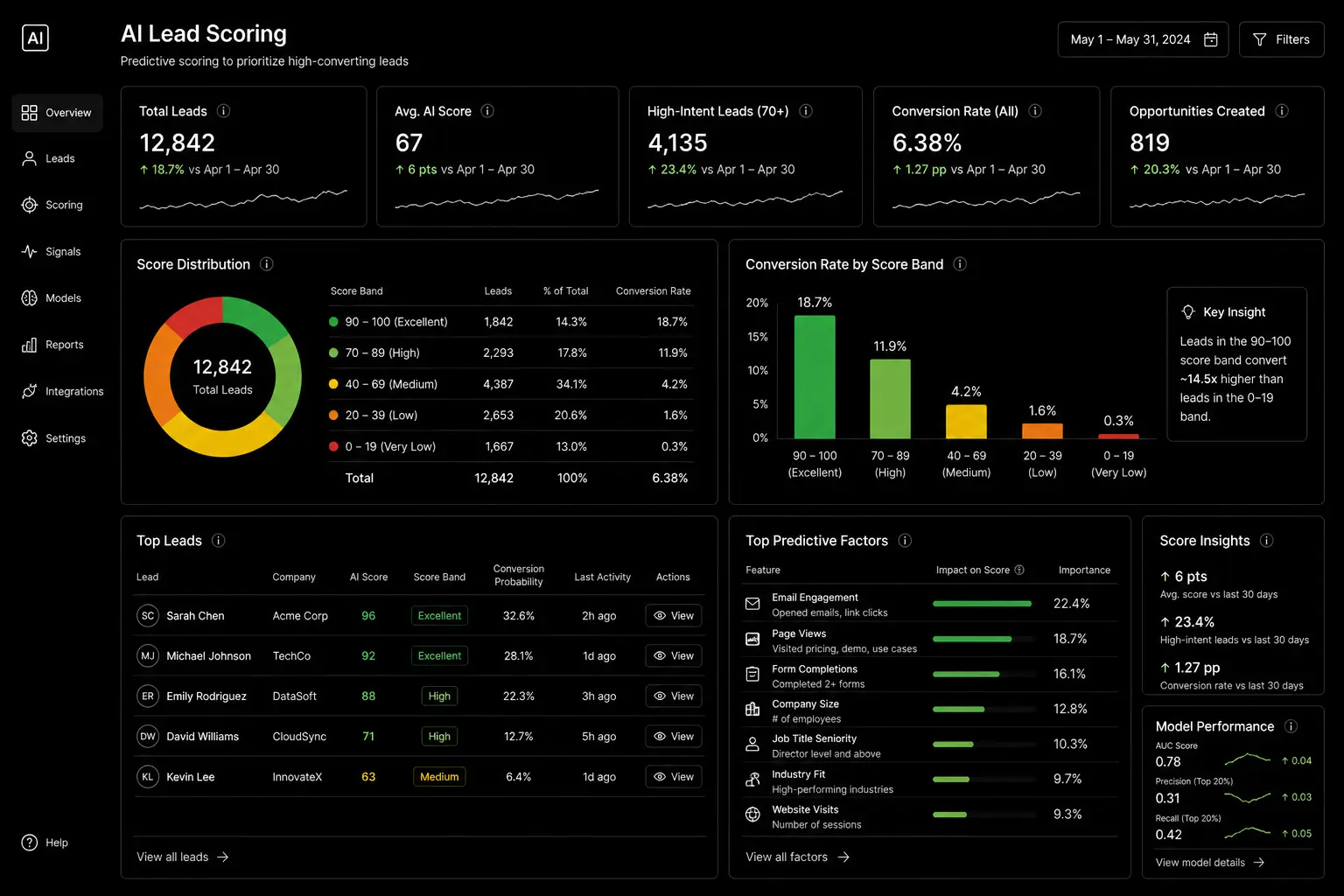
AI Lead Scoring: A Practical Implementation Guide for B2B
AI Automation

AI Lead Scoring: A Practical Implementation Guide for B2B

AI Lead Scoring in 2026 is won by execution quality, not platform hype. Teams that perform consistently align strategy, implementation, and measurement into one operating system. This guide gives the practical framework, internal link map, and optimization cadence to do that.AI lead scoring beats rules-based models when set up right. Here's the implementation that actually moves revenue. If you want implementation help, work with AI automation services. For connected strategy, also review Hubspot Marketing Automation and Website Redesign Guide. You can also align execution with HubSpot CMS team for cross-functional delivery.

What AI Lead Scoring Means in Practice

AI lead scoring improves prioritization when model quality, CRM activation, and feedback loops are managed correctly. The commercial value is faster sales focus on high-fit accounts.

Why ai lead scoring Matters in 2026

1. Rule-based scoring struggles with noisy modern funnels.2. Models surface patterns invisible to static point systems.3. Scores only matter when embedded into rep workflows.

Step-by-Step Playbook

1. Audit training data

Clean labels, dedupe records, and fill critical fields.

2. Choose practical model strategy

Start interpretable, then increase complexity only when needed.

3. Define score bands and actions

Map high/medium/low scores to clear next steps.

4. Embed in CRM operations

Push scores into routing, queues, and outreach cadences.

5. Recalibrate quarterly

Refresh thresholds as channel and buyer behavior change.Mid-article CTA -> Need support applying this to your stack? Lead scoring audit and get a scoped roadmap with timeline, owners, and KPI targets.

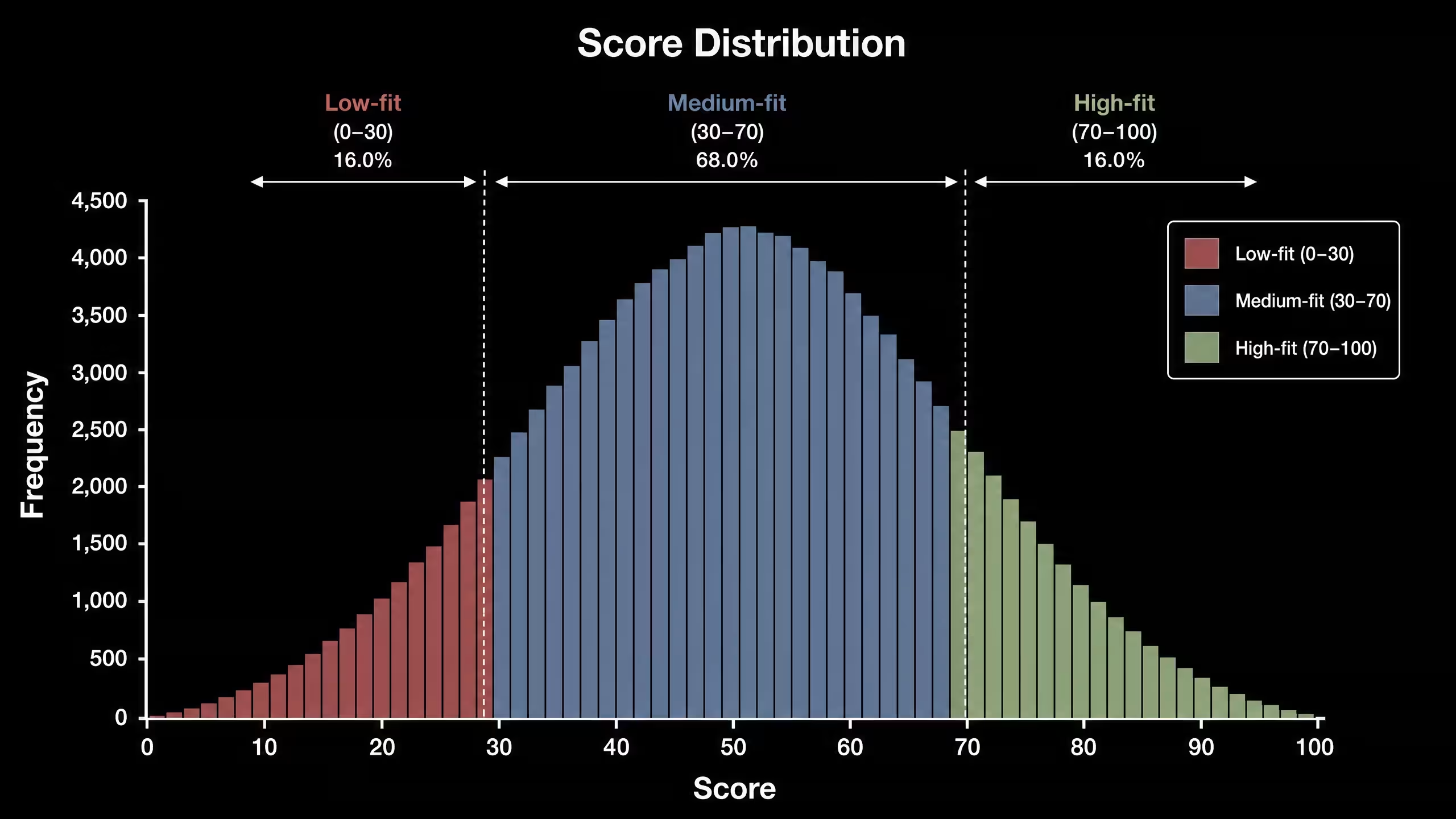
Score Distribution

Tools, References, and Benchmarks

  • Lead scoring data audit
  • Score-band action matrix
  • Quarterly recalibration checklist
  • Semantic keyword targets to distribute naturally: predictive lead scoring, ai crm scoring, lead scoring model

Use these references during planning and QA: OpenAI platform docs, Google Search docs, and Gartner research notes.

Common Mistakes That Kill Performance

  • Training on dirty data
  • No action map per score band
  • Never recalibrating thresholds

FAQ - AI Lead Scoring

How long does a ai lead scoring project usually take?

Most teams can ship an initial version in 4 to 8 weeks, then improve outcomes over one quarter with a weekly optimization cadence.

Is ai lead scoring relevant for UK and US teams?

Yes. The core framework is consistent across both markets. Differences are usually compliance details, buying behavior, and GBP/USD planning.

What should we measure first for ai lead scoring?

Track one leading metric, one conversion metric, and one revenue metric so execution stays tied to business impact.

Should we run this in-house or with a specialist partner?

If your team has deep expertise and bandwidth, in-house can work. If speed and risk control matter, working with a specialist partner is usually faster.

What is the most common failure mode?

Teams skip governance after launch. Data quality drifts, process quality declines, and performance plateaus. A simple weekly operating rhythm prevents this.

Conclusion

AI Lead Scoring performs best when execution decisions are tied to measurable outcomes from day one. Use this playbook to prioritize what matters, reduce risk, and create a repeatable optimization rhythm.Want a specialist team to accelerate delivery? Talk to AI automation services or book a consultation and we will map a practical rollout plan.Download the AI Lead Scoring Implementation Kit to implement this framework with templates and checklists.

AI Sales Agent Deployment Guide — including workflow templates, AI prompt library, escalation framework, KPI dashboard, and implementation checklists used to deploy AI SDRs successfully.

AI Lead Scoring: A Practical Implementation Guide for B2B
AI Automation

AI Lead Scoring: A Practical Implementation Guide for B2B

AI Lead Scoring in 2026 is won by execution quality, not platform hype. Teams that perform consistently align strategy, implementation, and measurement into one operating system. This guide gives the practical framework, internal link map, and optimization cadence to do that.AI lead scoring beats rules-based models when set up right. Here's the implementation that actually moves revenue. If you want implementation help, work with AI automation services. For connected strategy, also review Hubspot Marketing Automation and Website Redesign Guide. You can also align execution with HubSpot CMS team for cross-functional delivery.

What AI Lead Scoring Means in Pract

ce

AI lead scoring improves prioritization when model quality, CRM activation, and feedback loops are managed correctly. The commercial value is faster sales focus on high-fit accounts.

Why ai lead scoring Matters in 2026

1. Rule-based scoring struggles with noisy modern funnels.2. Models surface patterns invisible to static point systems.3. Scores only matter when embedded into rep workflows.

Step-by-Step Playbook

1. Audit training data

Clean labels, dedupe records, and fill critical fields.

2. Choose practical model strategy

Start interpretable, then increase complexity only when needed.

3. Define score bands and actions

Map high/medium/low scores to clear next steps.

4. Embed in CRM operations

Push scores into routing, queues, and outreach cadences.

5. Recalibrate quarterly

Refresh thresholds as channel and buyer behavior change.Mid-article CTA -> Need support applying this to your stack? Lead scoring audit and get a scoped roadmap with timeline, owners, and KPI targets.

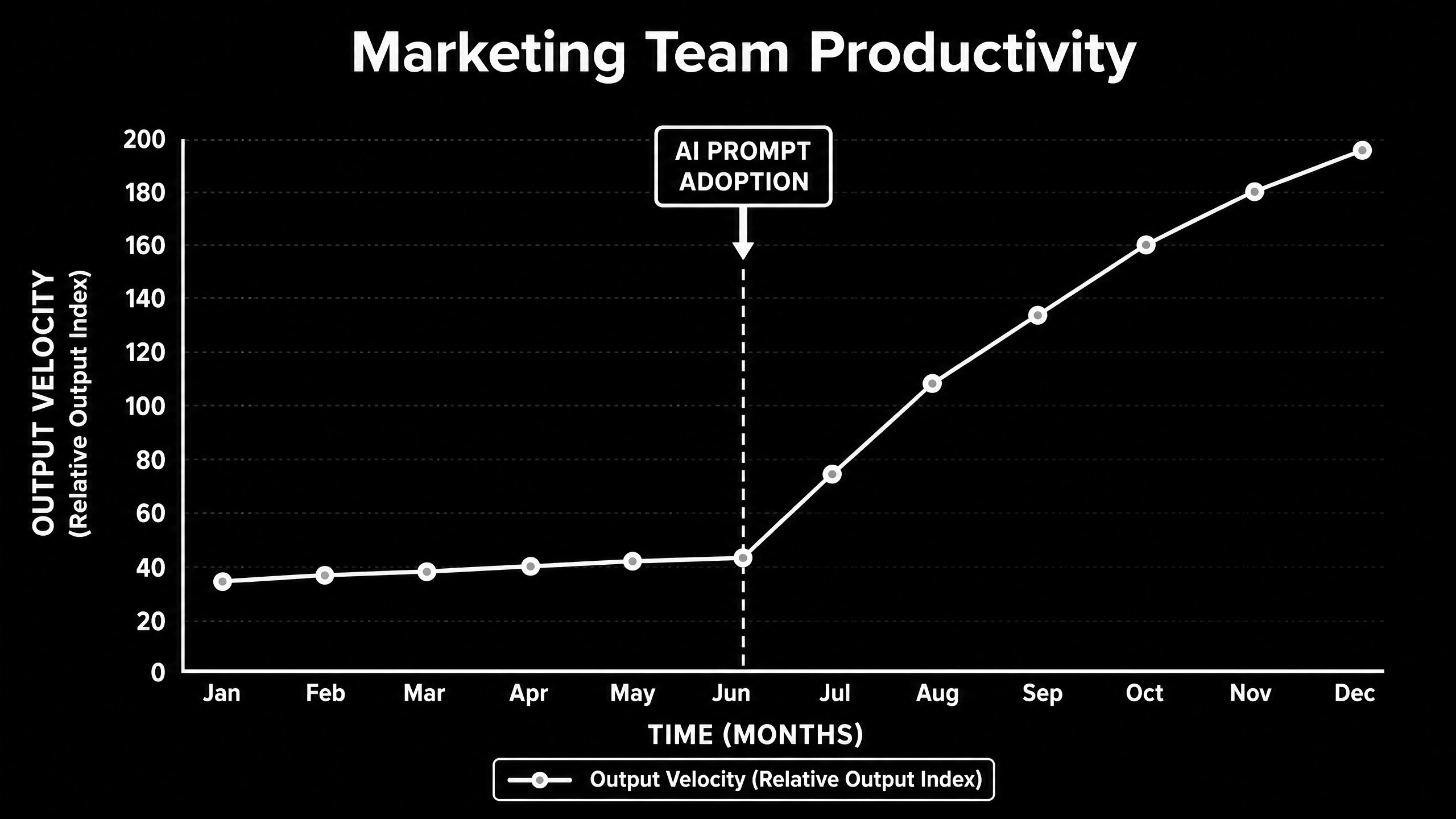
Marketing Team Productivity

Tools, References, and Benchmarks

  • Lead scoring data audit
  • Score-band action matrix
  • Quarterly recalibration checklist
  • Semantic keyword targets to distribute naturally: predictive lead scoring, ai crm scoring, lead scoring model

Use these references during planning and QA: OpenAI platform docs, Google Search docs, and Gartner research notes.

Common Mistakes That Kill Performance

  • Training on dirty data
  • No action map per score band
  • Never recalibrating thresholds

FAQ - AI Lead Scoring

How long does a ai lead scoring project usually take?

Most teams can ship an initial version in 4 to 8 weeks, then improve outcomes over one quarter with a weekly optimization cadence.

Is ai lead scoring relevant for UK and US teams?

Yes. The core framework is consistent across both markets. Differences are usually compliance details, buying behavior, and GBP/USD planning.

What should we measure first for ai lead scoring?

Track one leading metric, one conversion metric, and one revenue metric so execution stays tied to business impact.

Should we run this in-house or with a specialist partner?

If your team has deep expertise and bandwidth, in-house can work. If speed and risk control matter, working with a specialist partner is usually faster.

What is the most common failure mode?

Teams skip governance after launch. Data quality drifts, process quality declines, and performance plateaus. A simple weekly operating rhythm prevents this.

Conclusion

AI Lead Scoring performs best when execution decisions are tied to measurable outcomes from day one. Use this playbook to prioritize what matters, reduce risk, and create a repeatable optimization rhythm.Want a specialist team to accelerate delivery? Talk to AI automation services or book a consultation and we will map a practical rollout plan.Download the AI Lead Scoring Implementation Kit to implement this framework with templates and checklists.

AI Lead Scoring Implementation Kit — CRM audit templates, predictive scoring framework, score-band action matrix, workflow blueprints, KPI dashboards, and implementation checklists for high-performing B2B sales teams.

AI Chatbot for Ecommerce: Which One and How to Deploy It in 2026
AI Automation

AI Chatbot for Ecommerce: Which One and How to Deploy It in 2026

AI Chatbot for Ecommerce in 2026 is won by execution quality, not platform hype. Teams that perform consistently align strategy, implementation, and measurement into one operating system. This guide gives the practical framework, internal link map, and optimization cadence to do that.AI chatbots finally lift ecommerce conversion not just deflect tickets. Here's the 2026 stack and deployment plan. If you want implementation help, work with our AI automation team. For connected strategy, also review AI Automation for Business and Website Redesign Guide. You can also align execution with Shopify development for cross-functional delivery.

What AI Chatbot for Ecommerce Means in Practice

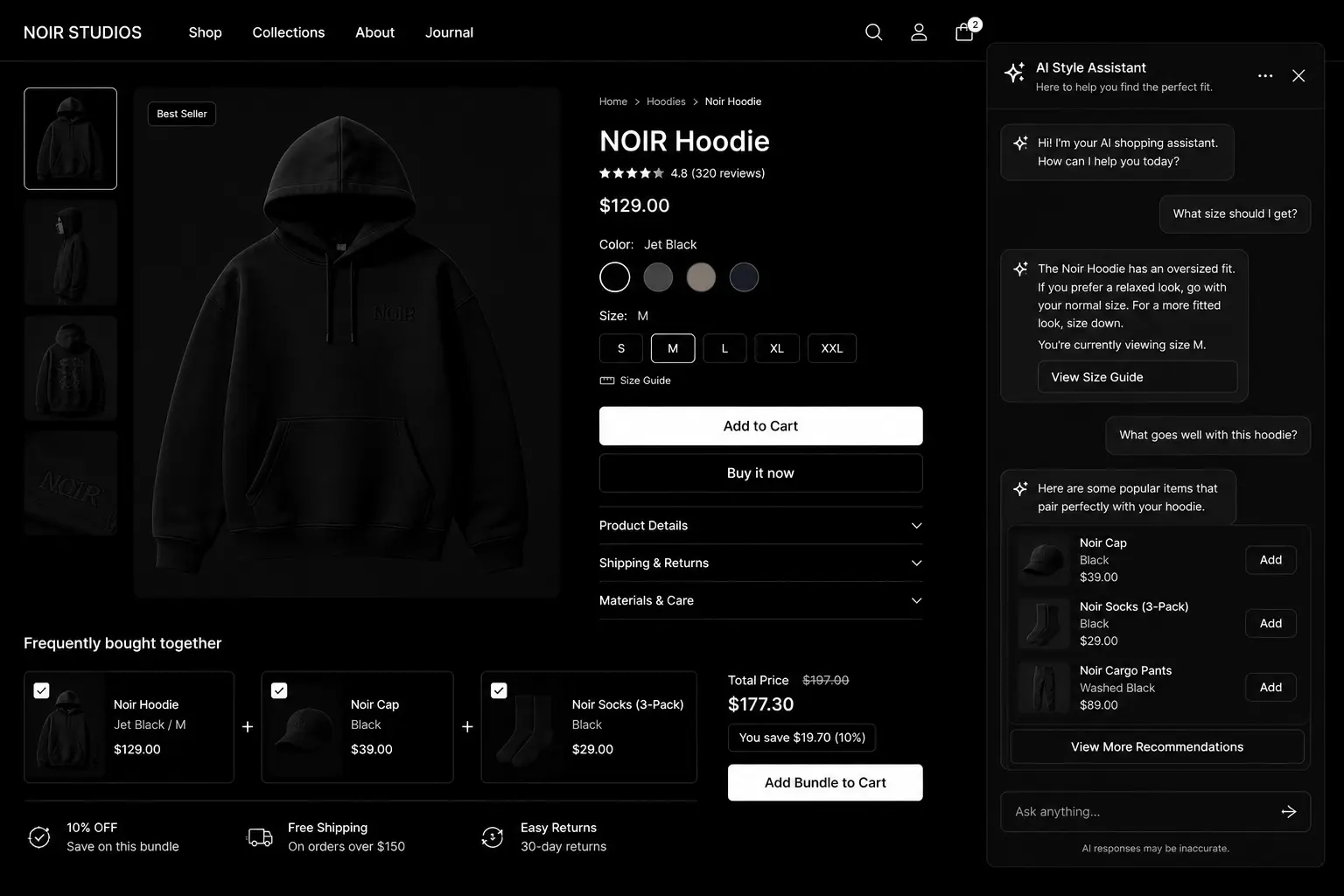
An AI chatbot for ecommerce should improve conversion, AOV, and customer confidence - not only reduce support tickets. High-performing deployments are intent-aware and deeply integrated with catalog and order data.

Why ai chatbot for ecommerce Matters in 2026

1. Modern bots influence product discovery and purchase confidence.2. Shopify integrations improve answer quality and speed.3. Customers now expect instant contextual help.

Step-by-Step Playbook

1. Pick one conversion-first use case

Start with sizing help, recommendations, or checkout support.

2. Connect product and order context

Integrate catalog and order data for accurate answers.

3. Set fallback escalation paths

Route complex or sensitive issues to human support quickly.

4. Deploy on high-intent pages

Prioritize PDP, cart, and checkout-adjacent surfaces.

5. Measure revenue impact

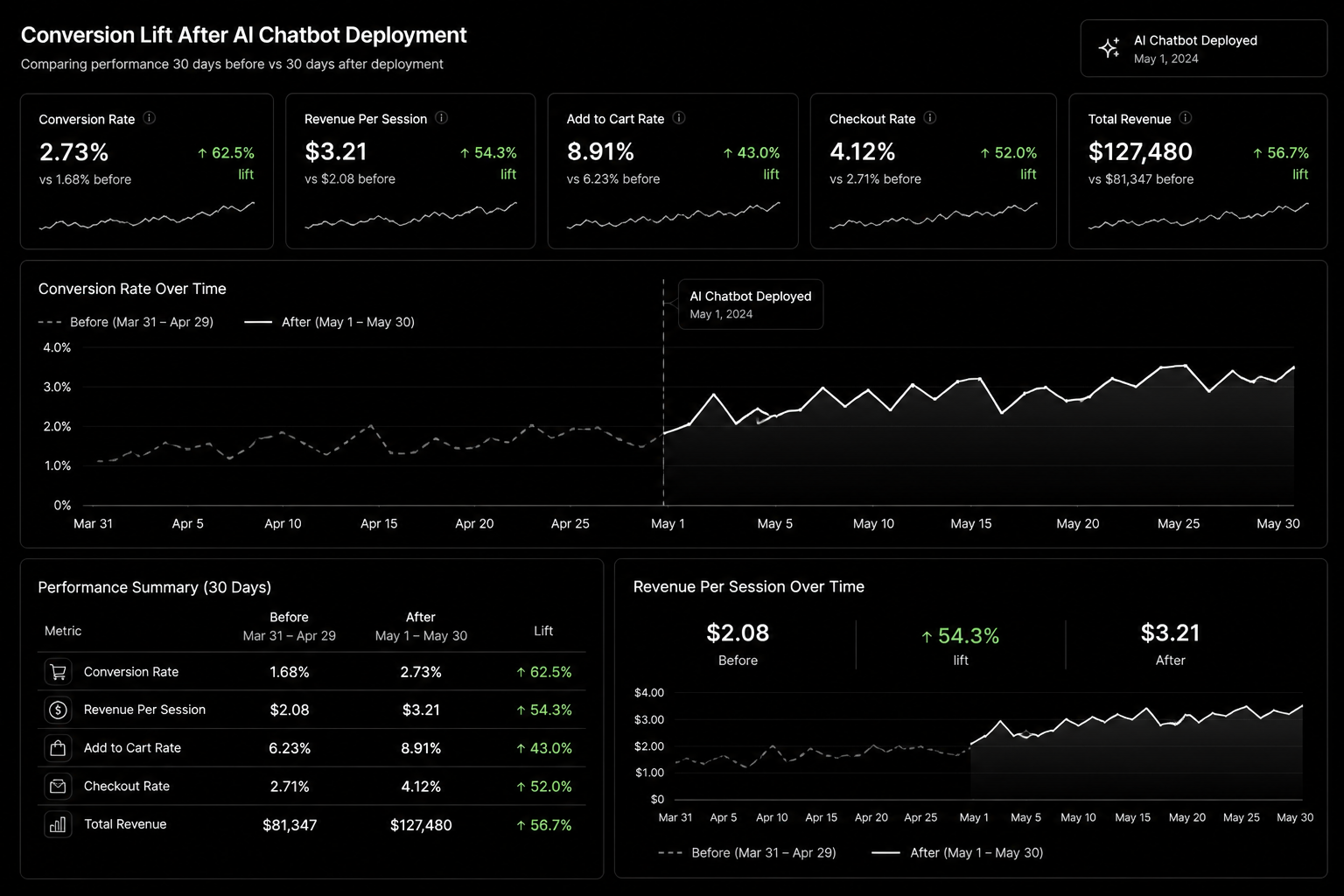
Track conversion, AOV, and CSAT before and after launch.Mid-article CTA -> Need support applying this to your stack? AI chatbot scoping and get a scoped roadmap with timeline, owners, and KPI targets.

Conversion Lift AI Chatboat Development

Tools, References, and Benchmarks

  • Chatbot intent taxonomy
  • Support escalation matrix
  • Revenue impact dashboard
  • Semantic keyword targets to distribute naturally: ai chatbot shopify, best ai chatbot ecommerce, ai customer support ecommerce

Use these references during planning and QA: OpenAI platform docs, Google Search docs, and Gartner research notes.

Common Mistakes That Kill Performance

  • Deploying everywhere on day one
  • No human handoff logic
  • Tracking deflection only

FAQ - AI Chatbot for Ecommerce

How long does a ai chatbot for ecommerce project usually take?

Most teams can ship an initial version in 4 to 8 weeks, then improve outcomes over one quarter with a weekly optimization cadence.

Is ai chatbot for ecommerce relevant for UK and US teams?

Yes. The core framework is consistent across both markets. Differences are usually compliance details, buying behavior, and GBP/USD planning.

What should we measure first for ai chatbot for ecommerce?

Track one leading metric, one conversion metric, and one revenue metric so execution stays tied to business impact.

Should we run this in-house or with a specialist partner?

If your team has deep expertise and bandwidth, in-house can work. If speed and risk control matter, working with a specialist partner is usually faster.

What is the most common failure mode?

Teams skip governance after launch. Data quality drifts, process quality declines, and performance plateaus. A simple weekly operating rhythm prevents this.

Conclusion

AI Chatbot for Ecommerce performs best when execution decisions are tied to measurable outcomes from day one. Use this playbook to prioritize what matters, reduce risk, and create a repeatable optimization rhythm.Want a specialist team to accelerate delivery? Talk to our AI automation team or book a consultation and we will map a practical rollout plan.Download the Ecommerce AI Chatbot Selection Guide to implement this framework with templates and checklists.

Ecommerce AI Chatbot Selection Guide — compare leading AI chatbots, deployment checklists, integration templates, and ROI calculators.